


ICPC at the AI Act Advisory Forum and the Apply AI Summit in Brussels
ICPC at the AI Act Advisory Forum and the Apply AI Summit in Brussels
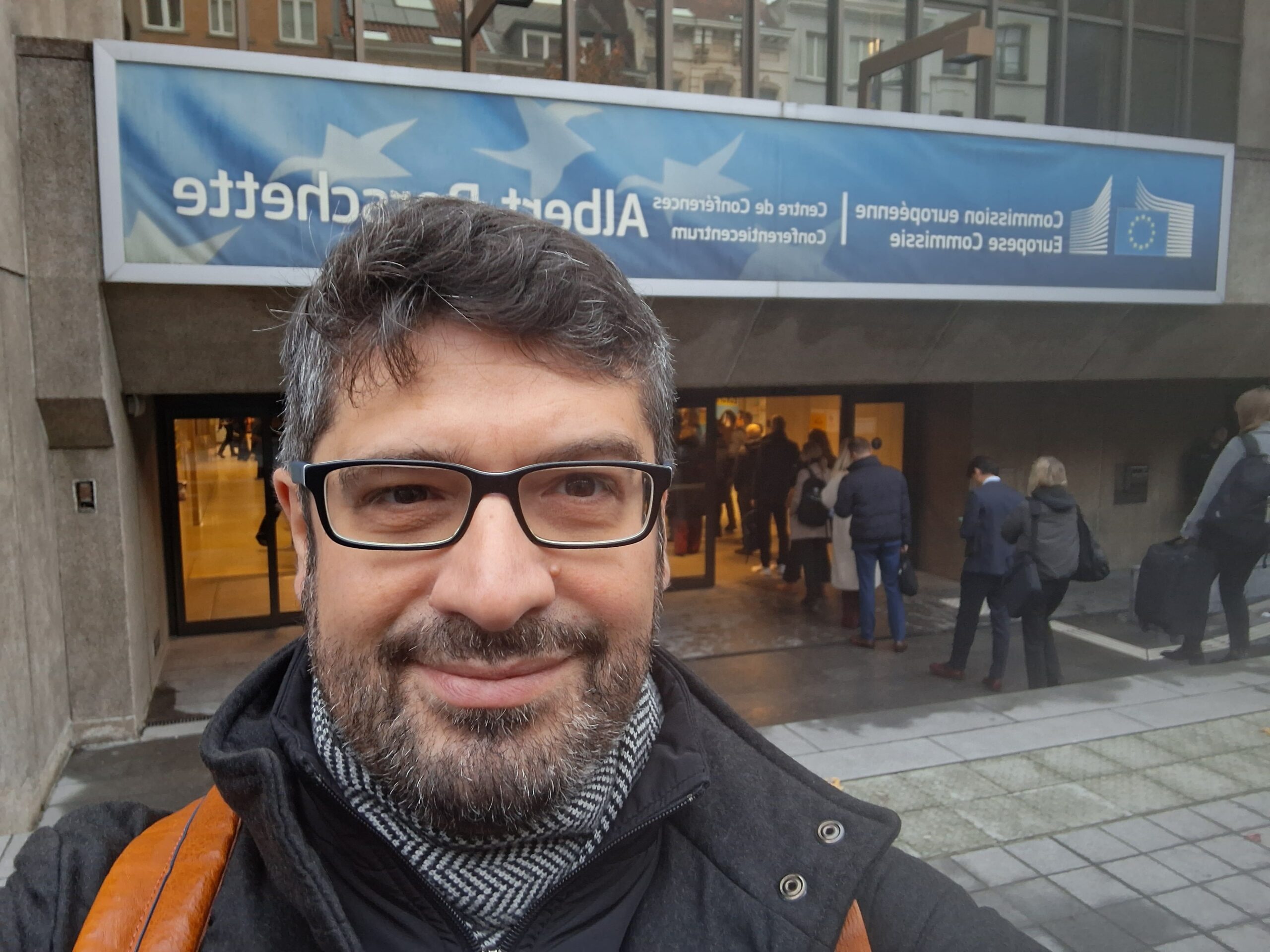
On 16 and 17 November 2026, Nicola Palladino, researcher at the Internet & Communication Policy Center (ICPC) of the University of Salerno, spent two days in Brussels taking part in the European debate on AI governance.
AI governance in Brussels
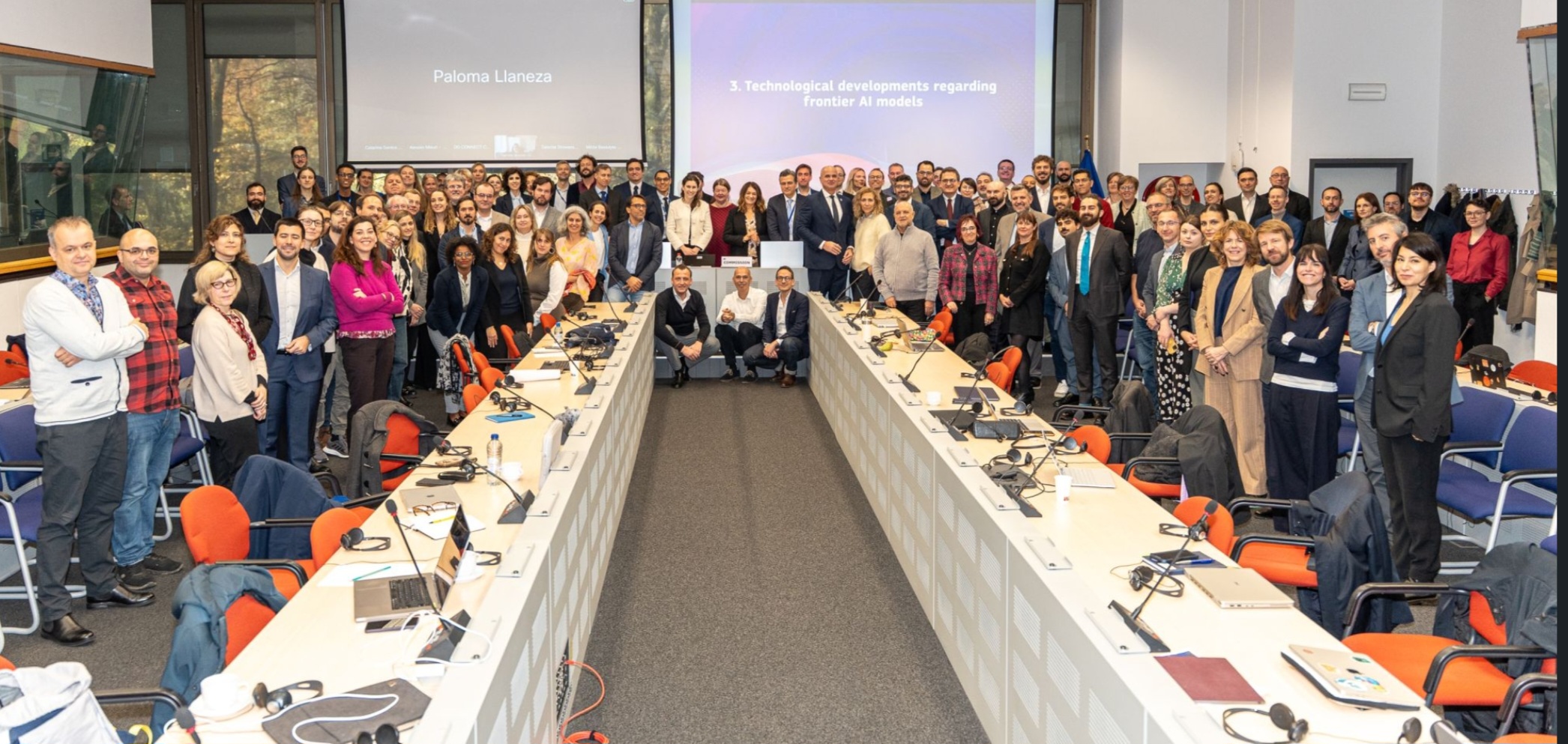
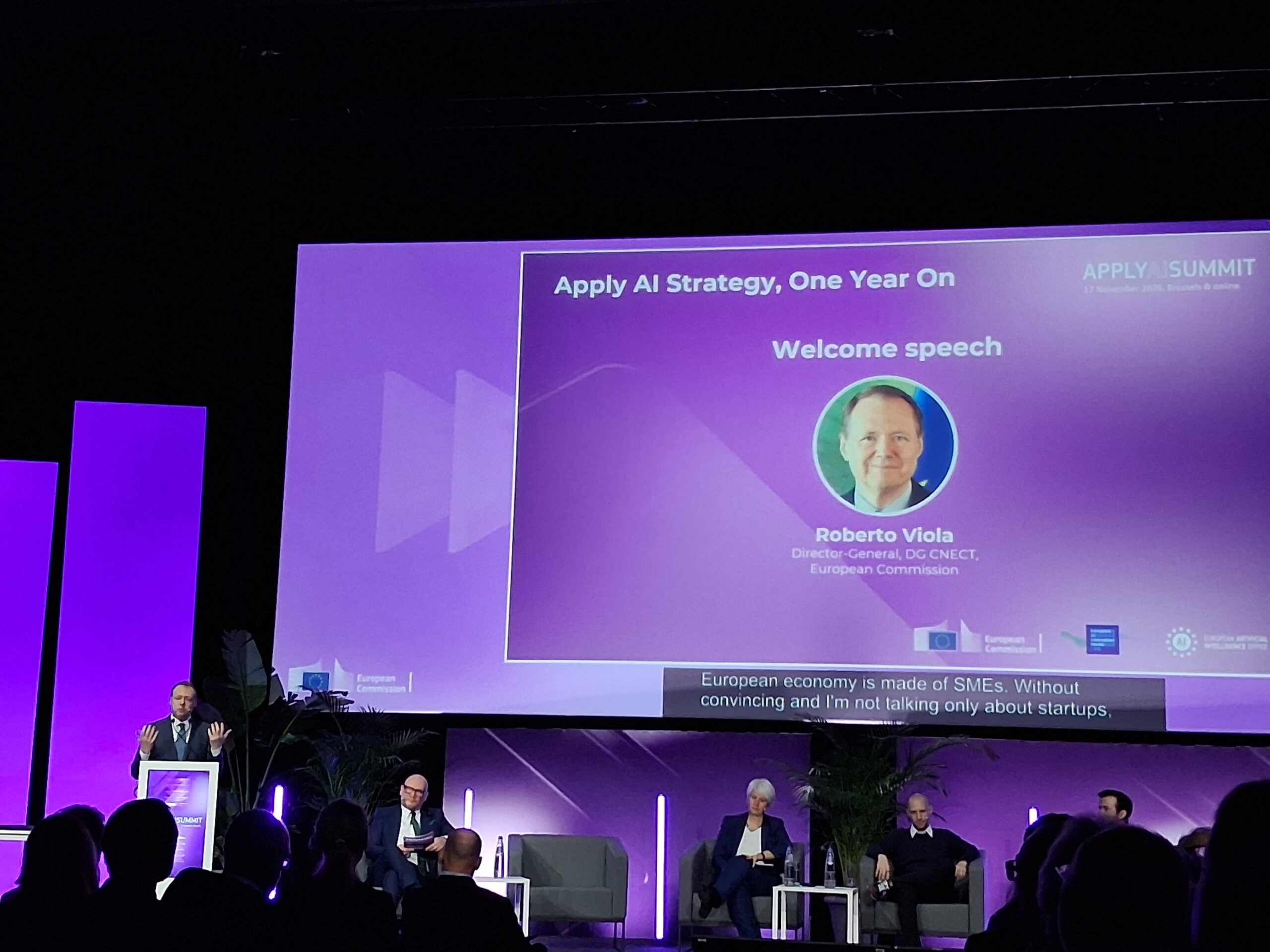
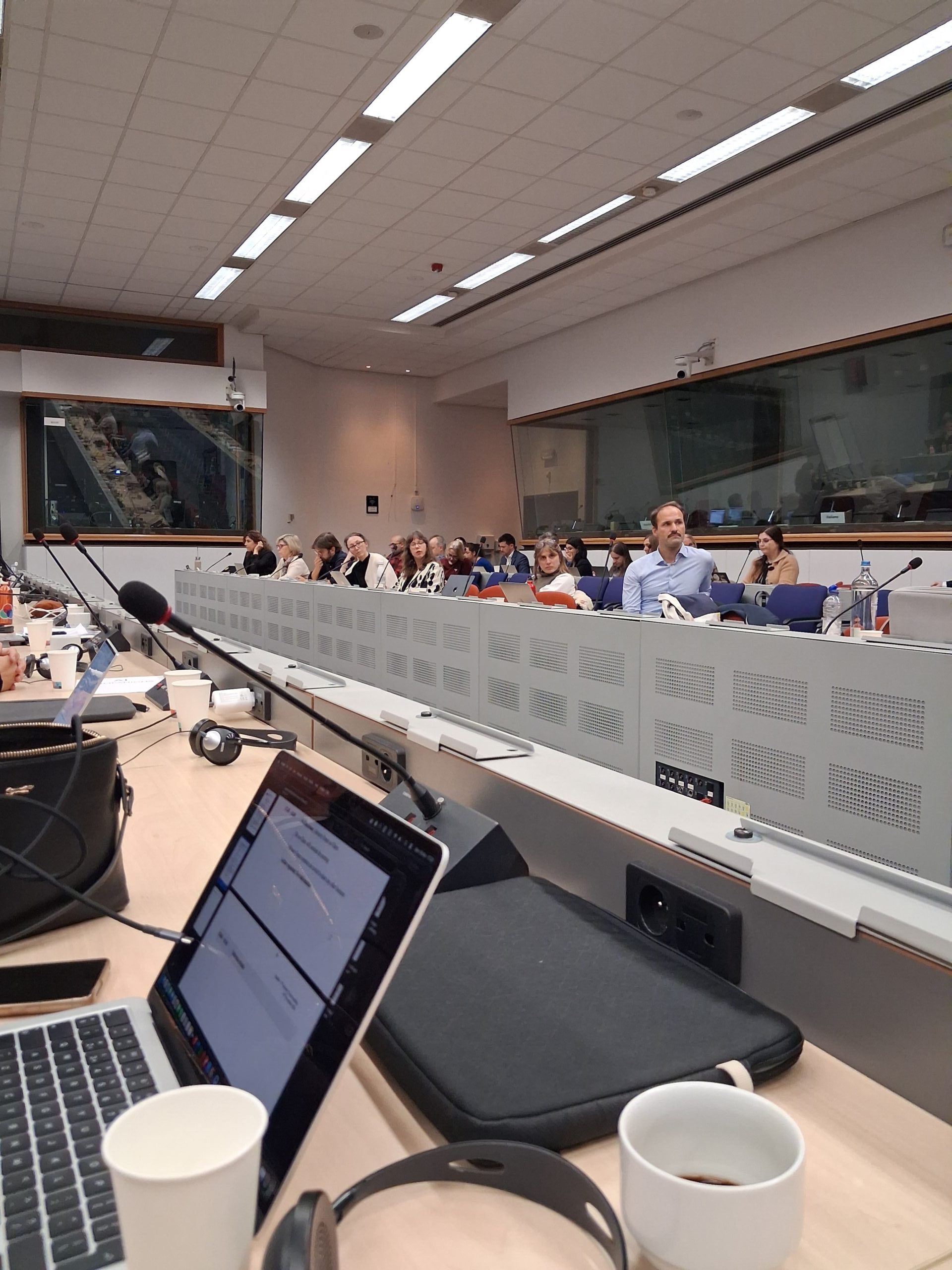
On 16 November he took part in the in-person meeting of the AI Act Advisory Forum. The Forum was established under Article 67 of Regulation (EU) 2024/1689, and Palladino sits on it as a representative of academia. It advises the European AI Office and the AI Board on the implementation and enforcement of the AI Act. On 17 November he attended the Apply AI Summit, which the European Commission organised to mark the first anniversary of the Apply AI Strategy.
Two issues for the AI Act
Across the two days, Palladino raised two issues that he believes deserve more attention in the implementation of the AI Act.
AI companions and risk classification
The first is the challenge that AI companions pose to the current risk classification. These systems are designed to build ongoing emotional relationships with their users. They pose serious risks of emotional dependency, manipulation and harm to psychological integrity, particularly for minors and other vulnerable people. These risks are not fully captured by the high-risk categories of Annex III, by the transparency obligations of Article 50, or by the prohibited practices under Article 5, whose thresholds for manipulative or exploitative applications are particularly demanding. For this reason, Palladino argued that the high-risk categories of Annex III should be reviewed to include AI companions and other potentially dangerous applications not previously considered.
An identification system for agentic AI
The second is the need for an identification system for agentic AI. As AI agents increasingly act autonomously on behalf of individuals and organisations, it becomes essential to establish which agent is acting, on whose behalf and under whose responsibility. Whoever designs and controls the identification layer for AI agents will largely shape the rules and power relations of the emerging agentic ecosystem. The EU should therefore ensure that this critical infrastructure falls under a jurisdiction that protects it from unilateral decisions against European interests, or else develop its own standards and protocols. Palladino also pointed out that agentic AI challenges the high-risk classification as well, and in an even more radical way than AI companions.
Get in touch
ICPC’s participation in the Advisory Forum continues the Centre’s research on AI governance, digital constitutionalism and EU regulatory policy. Researchers, practitioners and civil society organisations who know of cases, data or issues not receiving enough institutional attention are invited to contact ICPC, so they can be brought to the appropriate Forum settings.

Comments are closed, but trackbacks and pingbacks are open.