


ICPC Contributes to the DCN Blended Intensive Programme 2026 in Dublin
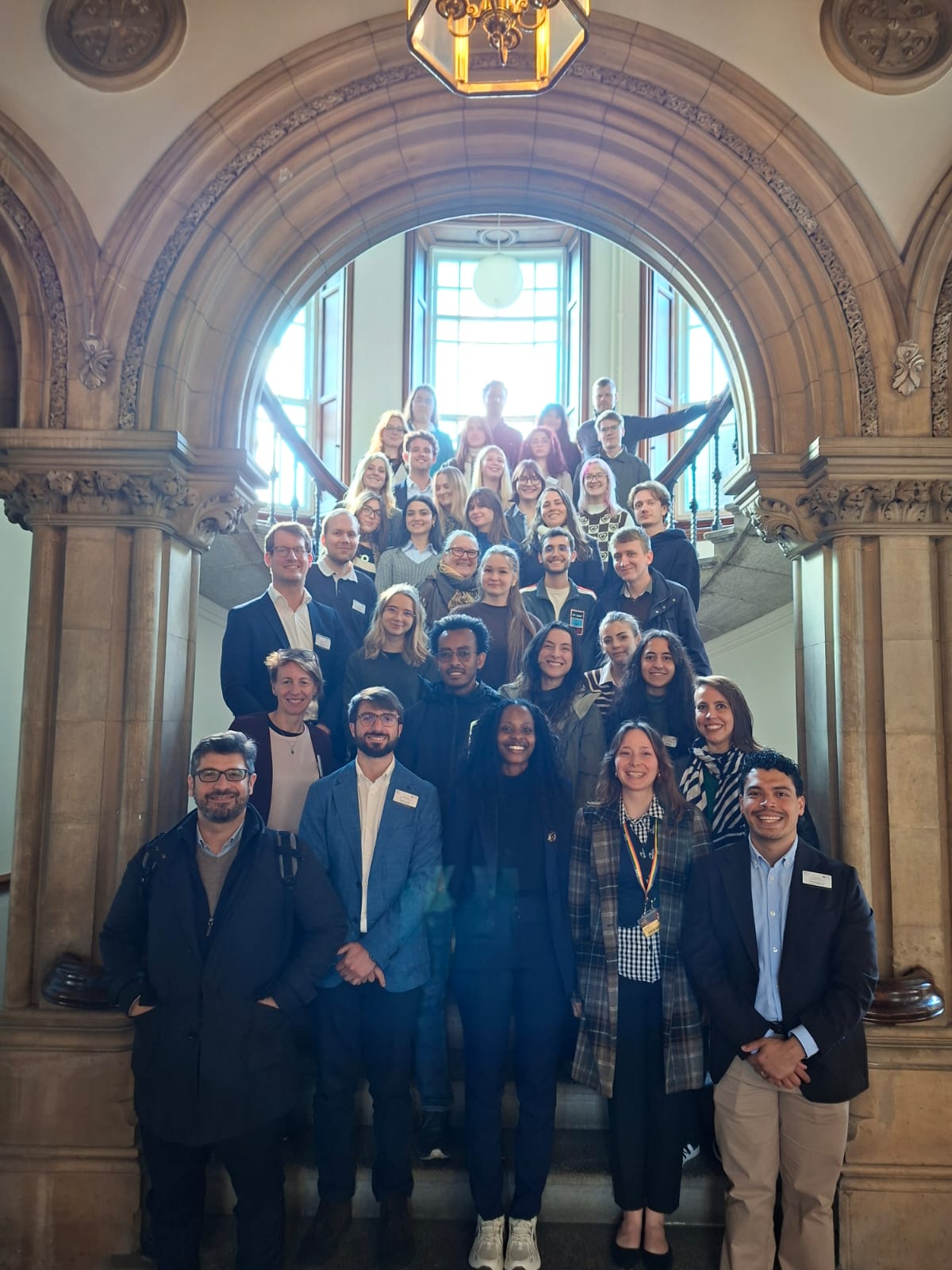
Dublin City University hosted the Digital Constitutionalism Network’s Blended Intensive Programme 2026, organised in partnership with the University of Salerno, the University of Bremen, the University of Padova, the University of Groningen and Tallinn University.
Dedicated to the theme “Digital Futures, Sustainable Freedoms: Rights, Responsibilities and Governance,” the programme explored the intersections between digital constitutionalism, sustainability, digital innovation and global policy development. It offered students a blended learning experience combining virtual preparatory sessions, an intensive in-person component in Dublin, participation in the 10th GIG-ARTS Conference, and follow-up online sessions.
The Internet & Communication Policy Center participated in the organisation of the programme with Mauro Santaniello, Nicola Palladino and Chiara Spiniello serving as members of the Organising Committee.
A blended learning experience on digital futures
The 2026 BIP combined academic training, collaborative workshops, policy-oriented exercises and engagement with the international research community gathered at GIG-ARTS 2026.
Blended Programme
Virtual preparation, in-person activities in Dublin and follow-up online sessions.
Up to 40 Students
Bachelor, Master and PhD students from partner universities.
3 ECTS
Students received recognition for their participation and academic work.
Policy Briefs
Students worked in groups to develop posters and research-based policy briefs.
A European teaching partnership
The programme brought together a consortium of European universities committed to interdisciplinary education on law, politics, communication, digital governance and sustainability.
Dublin City University
University of Salerno
University of Bremen
University of Padova
University of Groningen
Tallinn University
Academic coordination across the DCN network
Dublin City University
University of Bremen
University of Salerno
University of Padova
University of Groningen
Tallinn University
From virtual preparation to policy-oriented teamwork
The BIP was structured around three connected phases: preparatory online sessions, an intensive in-person programme in Dublin, and follow-up online meetings dedicated to the presentation and refinement of students’ policy briefs.
Virtual Preparatory Sessions
- Welcome to the BIP and general introduction.
- Icebreaker and introduction to eco-digital constitutionalism.
- Session on “Care” as a guiding principle to rethink digital futures and sustainable freedoms.
- Reading the Global Digital Compact from an eco-digital perspective.
- Introduction to creating policy briefs and posters.
Welcome, Methodology and Policy Field Mapping
- Welcome session, icebreakers and introductions by BIP instructors.
- Presentation on BIP methodology and writing policy briefs.
- Group set-up and first analytical exercises.
- Mapping the policy field and identifying policy problems.
- Drafting the context and background of the policy brief.
Policy Ideation and Cultural Programme
- Group work dedicated to creative and bold policy ideation.
- Feedback and discussion on risks, opportunities and possible connections between ideas.
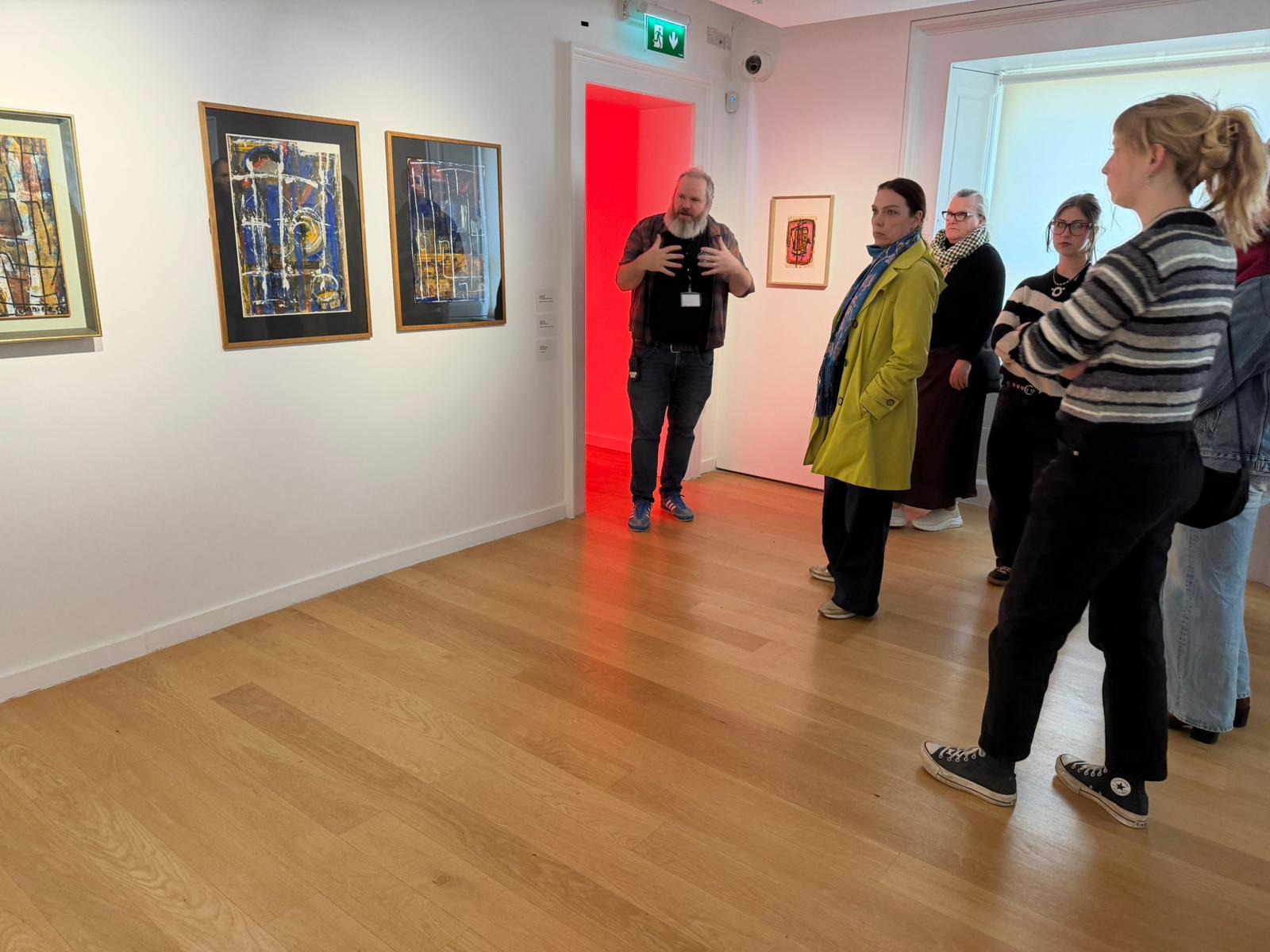
- Visit to the Irish Museum of Modern Art.
- Dinner at Rascals Brewery.
Policy Canvas, Posters and Brief Development
- Selection of the most promising policy ideas.
- Session on delivering posters.
- Development of the chosen policy idea.
- Gallery Walk with student groups presenting draft canvases and receiving feedback.
- Finalisation of the policy canvas and practice presentations.
Participation in GIG-ARTS 2026
- Students joined the 10th GIG-ARTS Conference at Dublin City University.
- The conference offered exposure to current debates on digital freedoms, ecological boundaries, AI governance, data centres and digital constitutionalism.
- Students participated in the conference poster session and engaged with scholars and practitioners in the field of internet governance.
Follow-up Virtual Phase
- Oral presentation of policy briefs.
- Feedback from plenary and instructors.
- Reflection on opportunities to contribute to real-world digital governance processes, including international policy arenas such as the IGF.
Learning by researching, designing and presenting
Lectures and Expert Inputs
Students engaged with foundational concepts in digital constitutionalism, sustainability and digital governance.
Design and Future Thinking
Working groups analysed policy problems, developed scenarios and designed innovative policy responses.
Policy Brief Writing
The programme supported students in drafting research-based recommendations on complex digital governance issues.
Poster Presentations
Students presented their work during the GIG-ARTS Conference and received feedback from the academic community.
Intercultural Teamwork
The BIP strengthened transversal skills such as public speaking, collaboration and intercultural communication.
Policy Engagement
The follow-up phase connected students’ work to real-world digital governance processes and international policy debates.
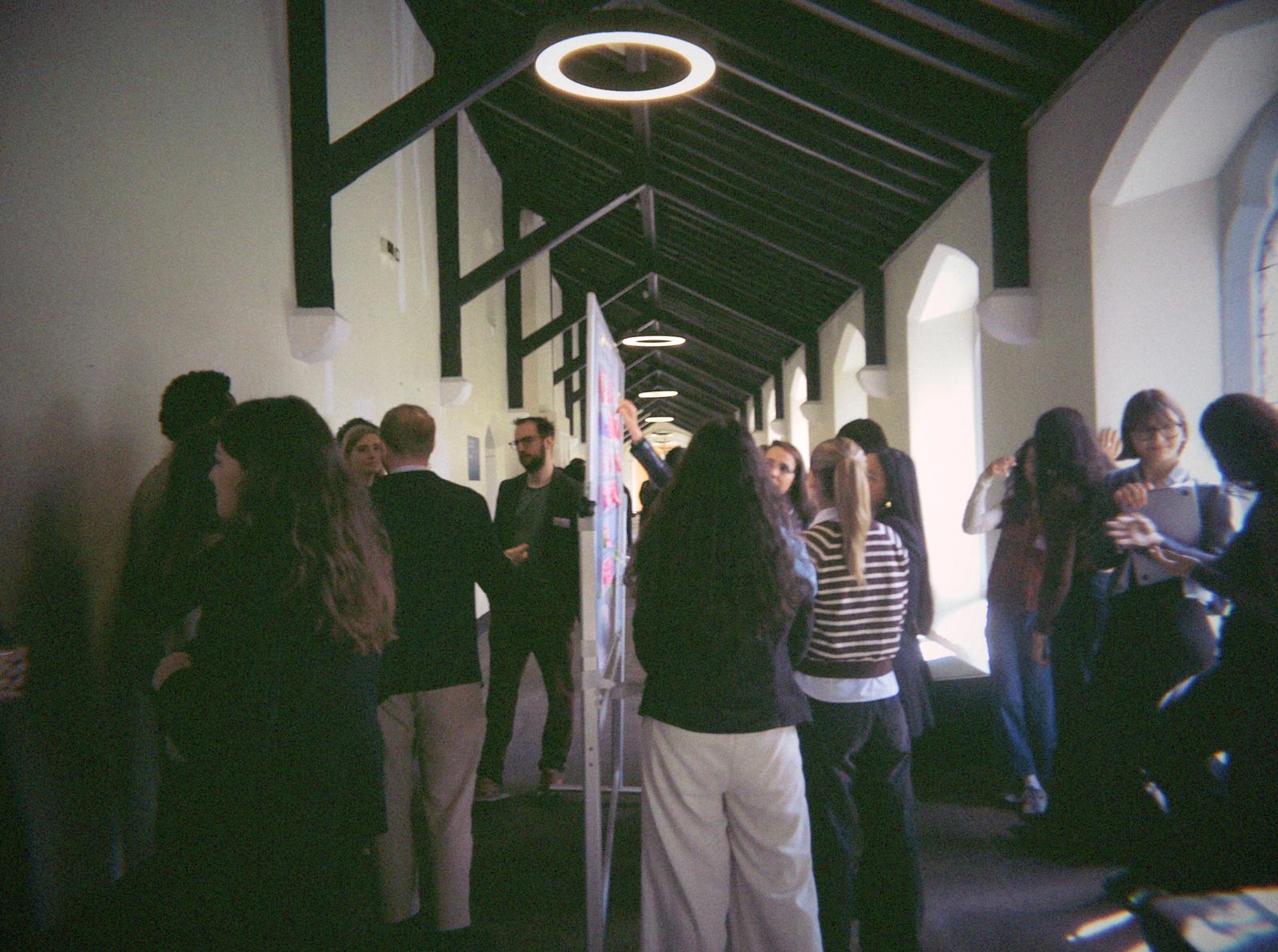
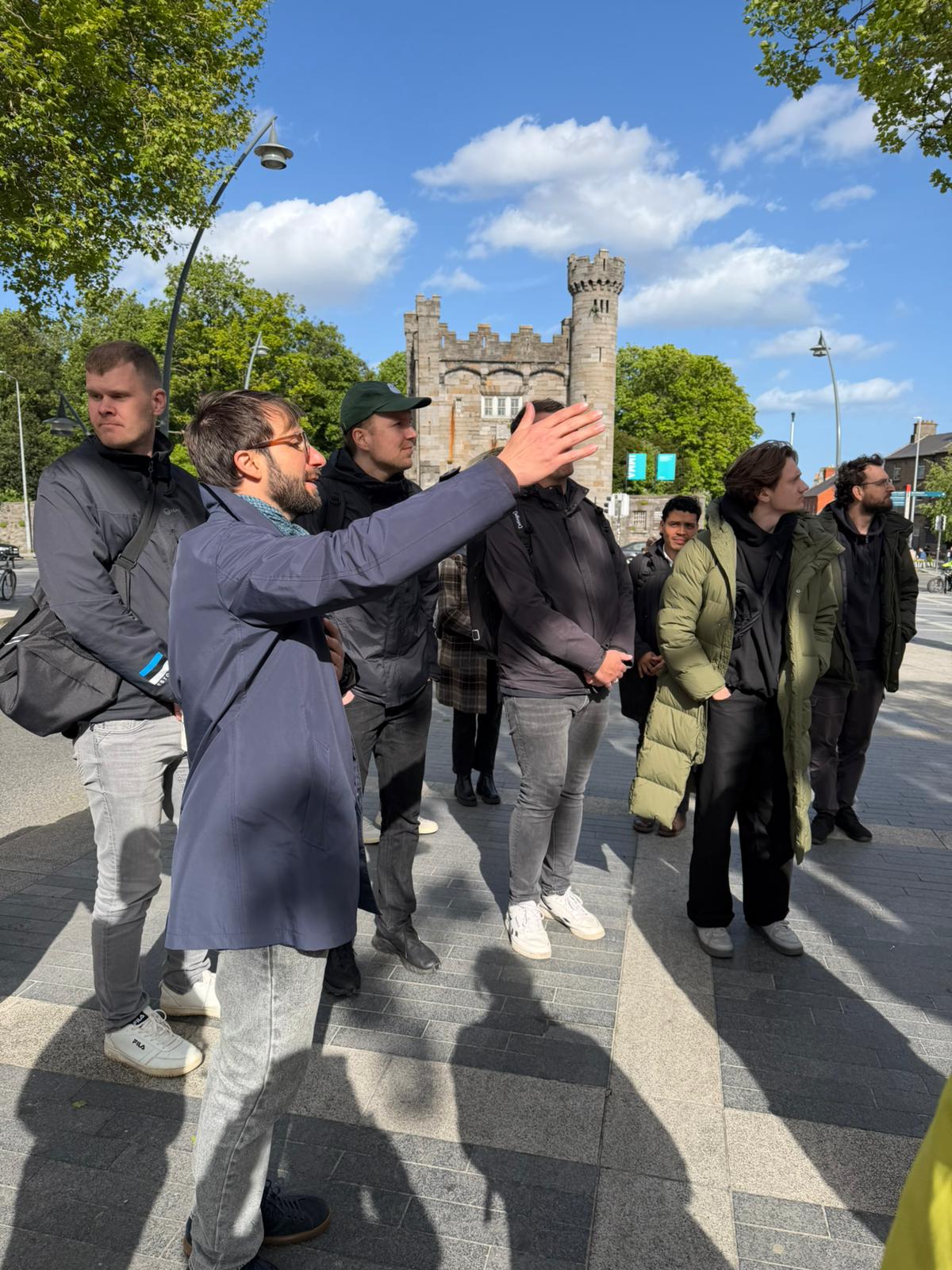
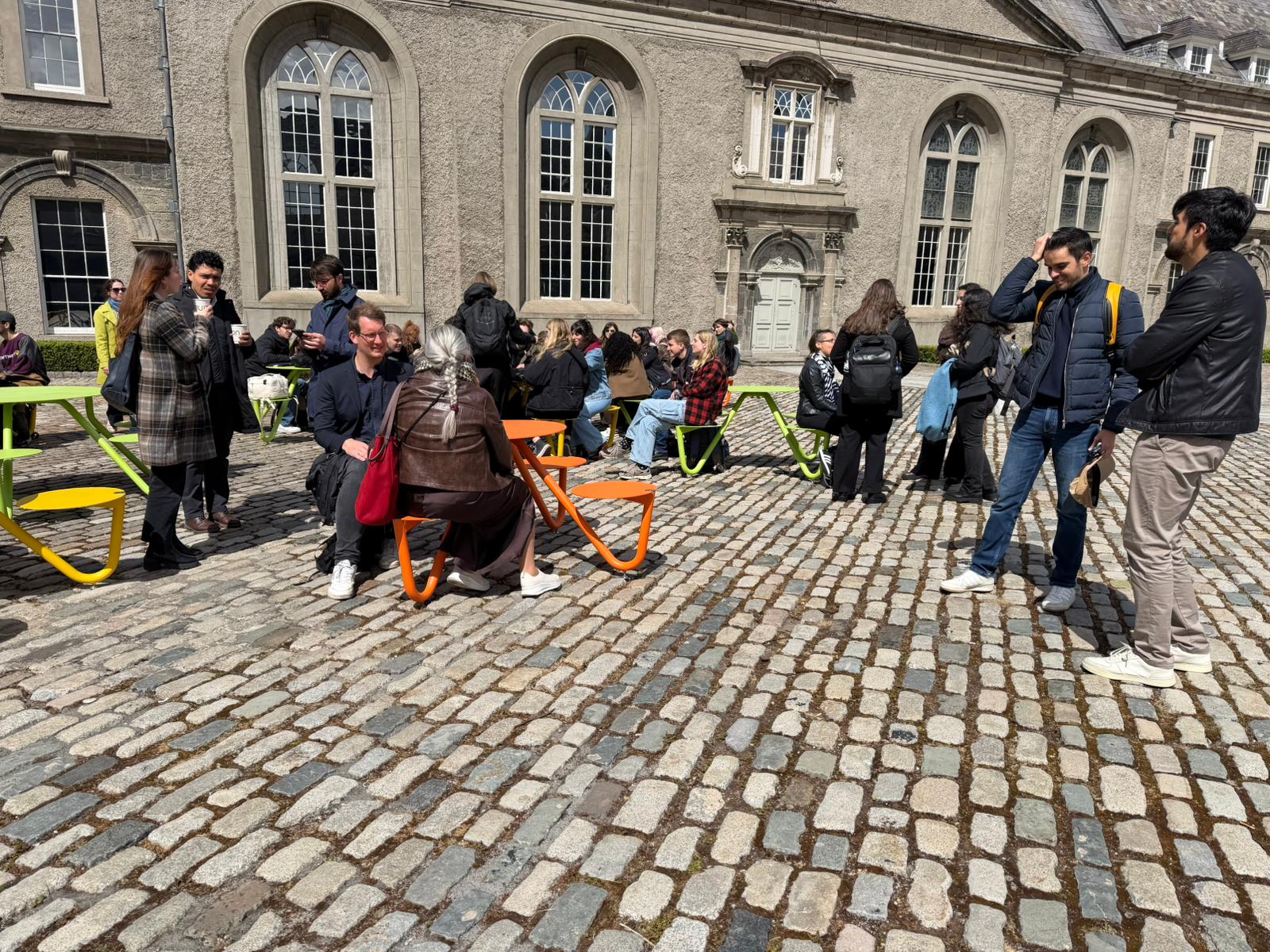
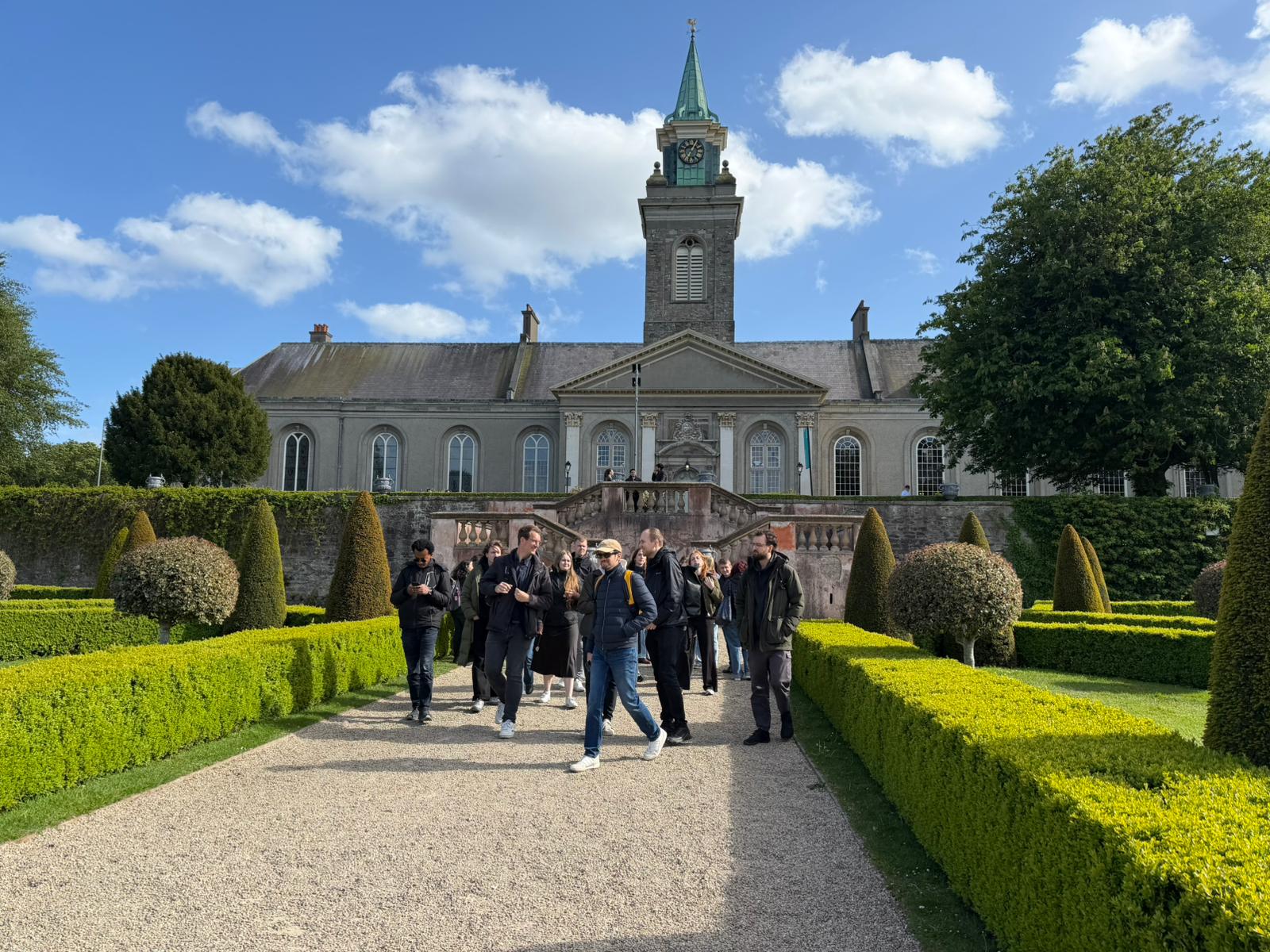
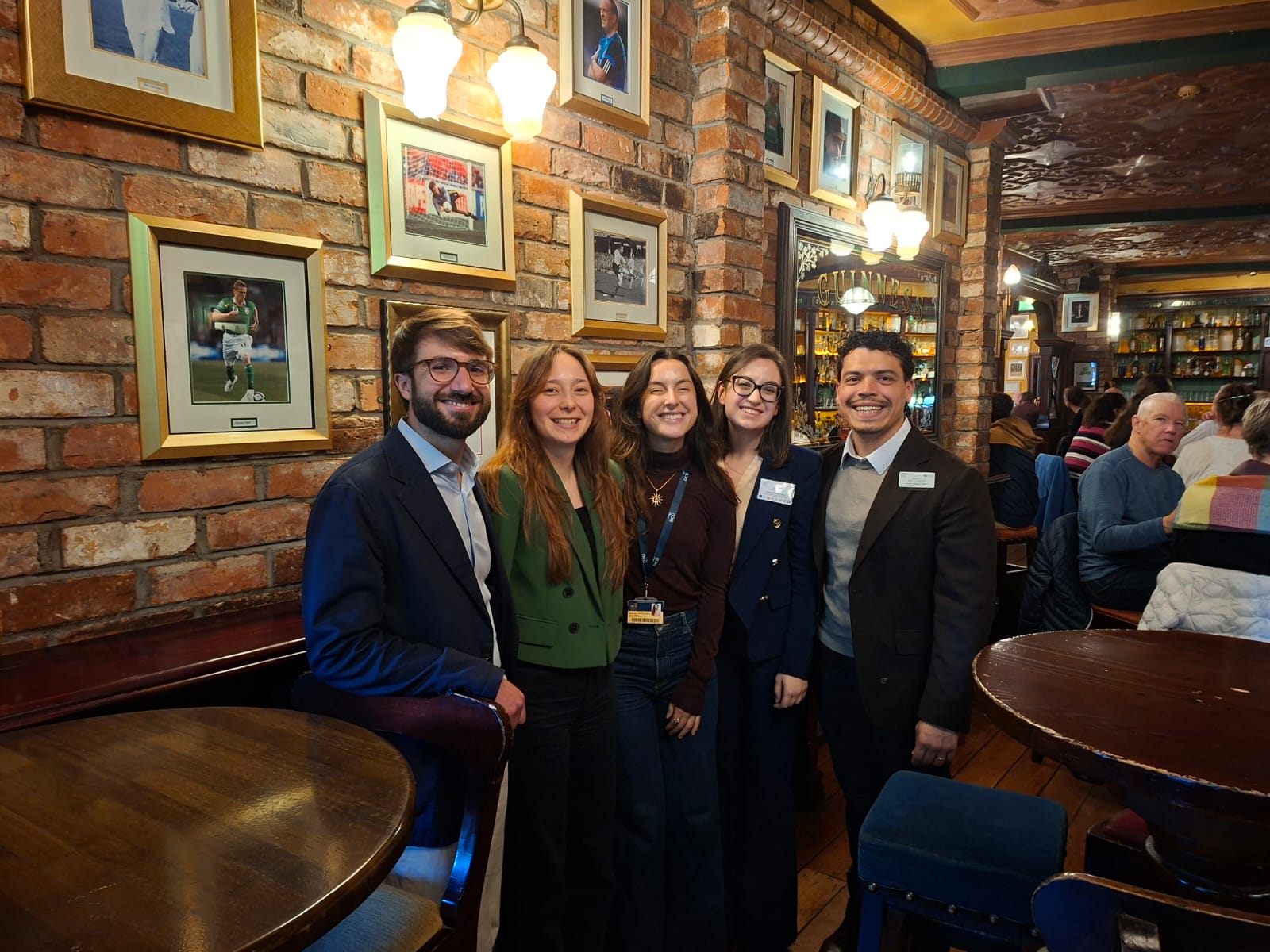
Snapshots from the BIP experience
The photo selection captures different moments of the programme, from group work and academic discussions to student presentations and shared learning activities.

Comments are closed, but trackbacks and pingbacks are open.